The United Kingdom is considering introducing entry fees for international visitors to some of its most prominent museums, a proposal that has triggered criticism from restitution advocates and countries seeking the return of cultural artefacts.
Officials say the plan aims to support the arts sector, marking a potential shift from the free-entry policy introduced in 2001 under former Prime Minister Tony Blair. The government has launched consultations with museum institutions and is expected to provide updates later this year.
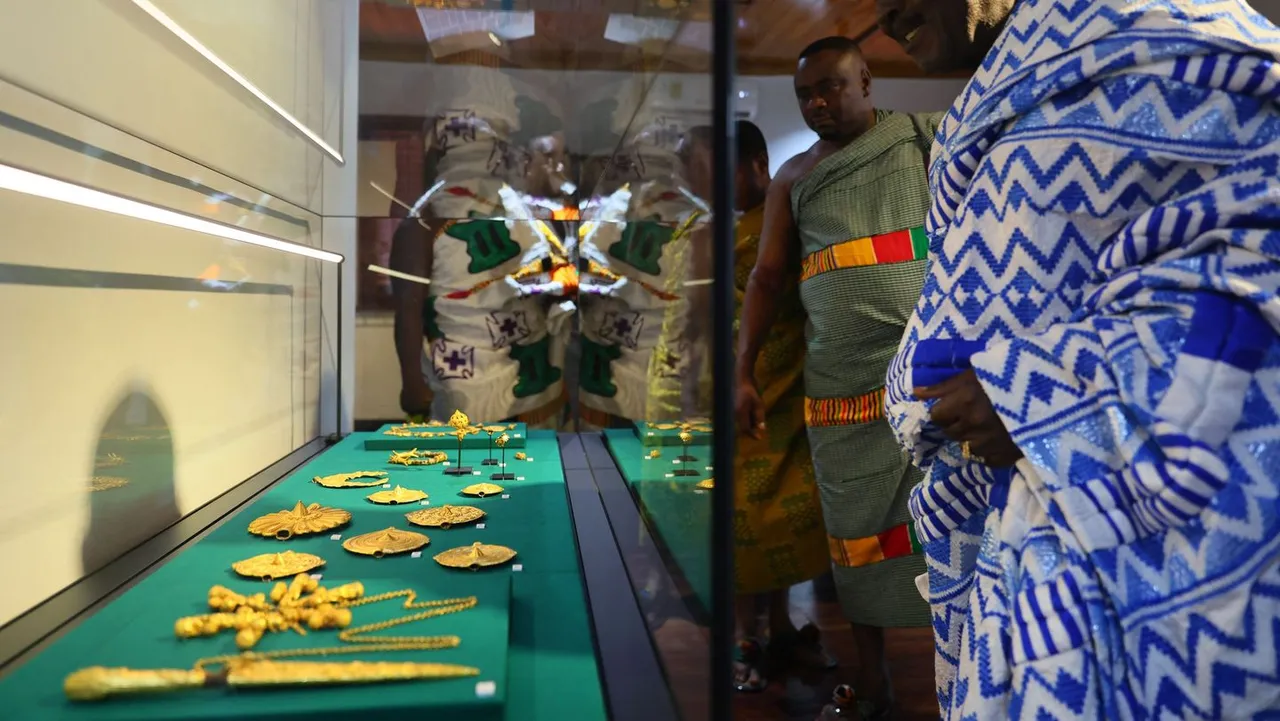
However, the proposal has raised concerns among countries such as Ghana, whose cultural objects remain in British collections. Foreign Minister Samuel Okudzeto Ablakwa questioned the fairness of charging visitors to view artefacts that are still subject to restitution claims.
The debate is closely tied to broader controversies surrounding colonial-era collections held in institutions like the British Museum, including disputed items such as the Benin Bronzes. While some repatriation efforts have taken place, many objects and even human remains remain in European museums.
Restitution groups argue that introducing fees would deepen existing inequalities, as individuals from countries of origin already face visa restrictions and high travel costs to access their cultural heritage. Critics have described the proposal as “unethical,” questioning why communities should pay to see artefacts taken from them.
Advocates, including representatives from Caribbean and African organizations, have emphasized that the priority should be the return of such artefacts rather than monetizing access to them. Some have suggested fee exemptions as a compromise, though this has not been formally adopted.
The UK government has not directly responded to the criticism, but the proposal continues to fuel a wider global conversation on cultural ownership, historical justice, and access to heritage.
Source: TRT Africa