Several Asian countries are reintroducing remote work policies and energy-saving measures as surging oil prices, driven by escalating Middle East tensions, begin to strain their economies.
Nations including Indonesia, Vietnam, Thailand, and the Philippines are adopting strategies reminiscent of the pandemic era, aiming to reduce fuel consumption and ease pressure on national energy systems. Measures range from hybrid work models and online schooling to reduced office hours and limits on government travel.
Authorities in Indonesia estimate that cutting commuting could reduce fuel use by up to 20%, while Vietnam has urged businesses to implement work-from-home arrangements following sharp increases in fuel prices. Thailand and the Philippines have also introduced flexible work systems, with Manila declaring a national energy emergency to stabilise supply.
Pakistan has taken even more aggressive steps, including partial remote work mandates, reduced fuel allowances, and temporary school closures to curb consumption.
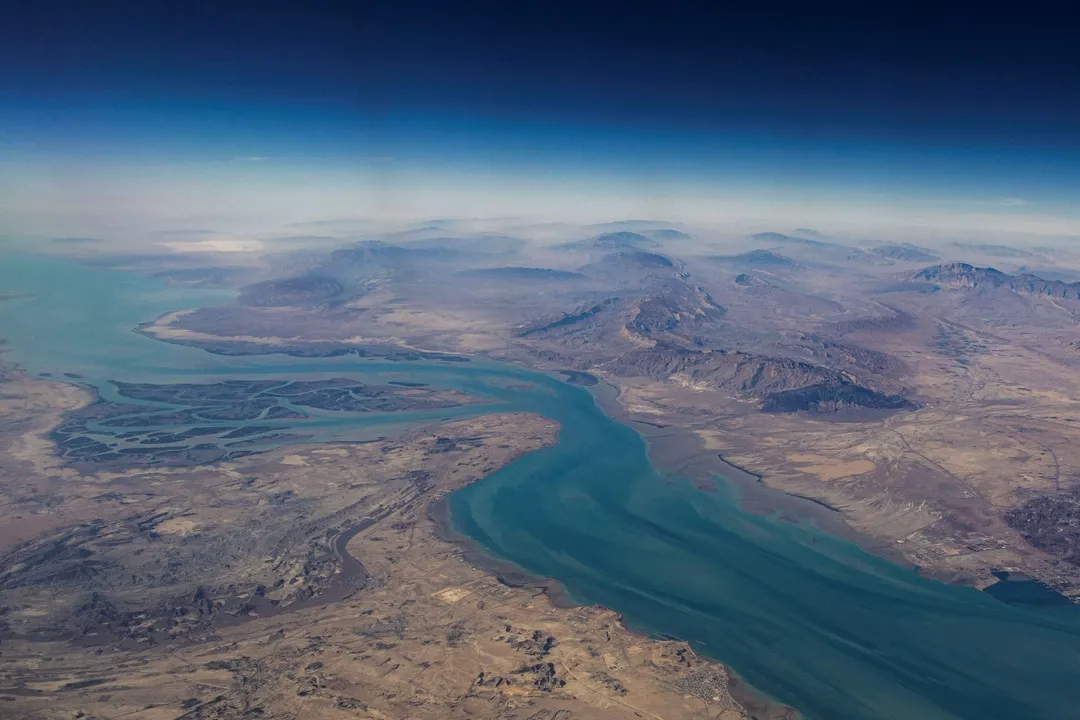
These actions come amid major disruptions in global energy markets caused by the ongoing conflict involving Iran, the United States, and Israel. The situation has significantly affected the Strait of Hormuz, a vital oil transit route, leading to rising shipping costs and increased global oil prices.
The shift highlights how geopolitical tensions are now directly influencing domestic policies, forcing governments to adapt quickly to protect economic stability.
Source: TRT Africa