


The Confederation of African Football (CAF) is facing intense criticism following its controversial decision to strip Senegal of their Africa Cup of Nations (AFCON) title and award it to Morocco, a move that has ignited widespread debate over governance and credibility in African football.
The ruling, which overturned a completed final months after Senegal’s on-field victory, has been described by analysts and former players as a damaging precedent that undermines trust in the sport. Critics argue that while CAF may have acted within its regulatory framework, the symbolic impact of the decision has raised serious concerns about fairness and consistency.
Prominent figures, including former African Footballer of the Year George Weah, have condemned the move as a blow to the integrity of the game, warning that decisions made outside the pitch risk eroding confidence in African football institutions. Similar sentiments have been echoed across the continent, with observers cautioning that the situation could tarnish the reputation of AFCON and African competitions more broadly.
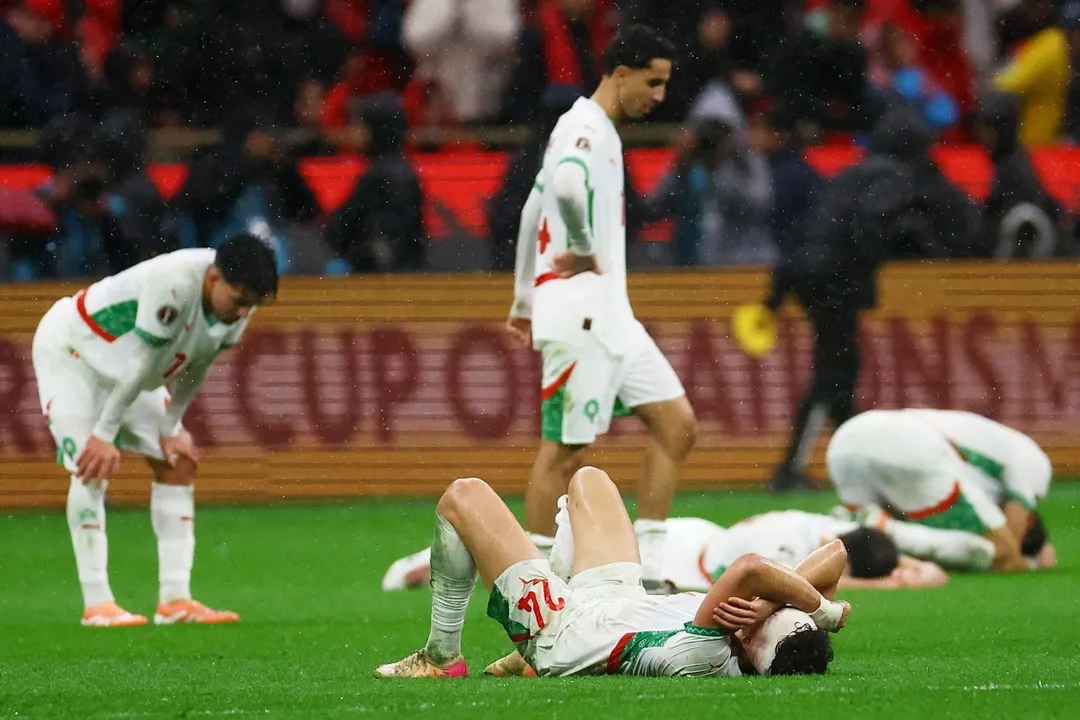
The controversy stems from a dramatic final in Rabat, where Senegal briefly walked off the pitch in protest over a disputed penalty decision before returning to secure victory in extra time. CAF later ruled that the walk-off constituted a violation warranting forfeiture, leading to the unprecedented reversal.
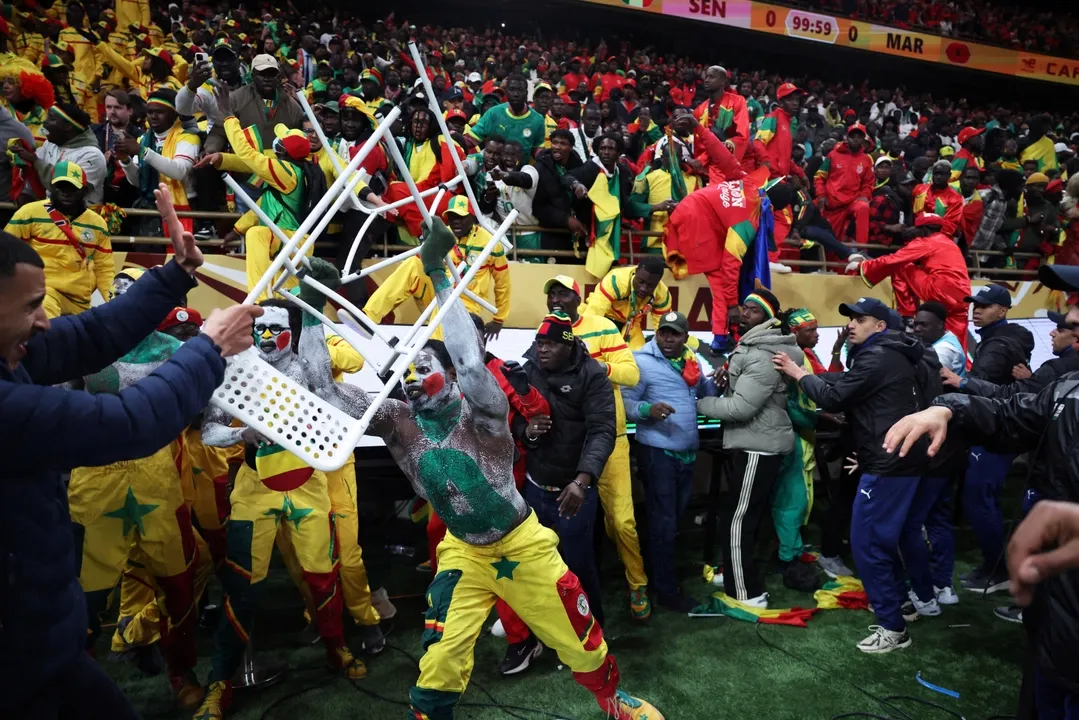
Senegal has since vowed to challenge the decision at the Court of Arbitration for Sport, while also calling for an independent investigation into potential governance issues within CAF. Meanwhile, scrutiny is mounting on CAF leadership, with concerns that the decision could undermine recent efforts to elevate the tournament’s global standing.
Analysts warn that beyond the immediate dispute, the case highlights deeper structural challenges in the governance of African football, with potential long-term implications for its credibility and international image.
Source: TRT Africa


