


Food traditions across South Asia and Türkiye reveal deep historical connections shaped by migration, faith, and empire. During Ramadan, these links become especially visible as families prepare dishes that share similar roots despite being thousands of miles apart.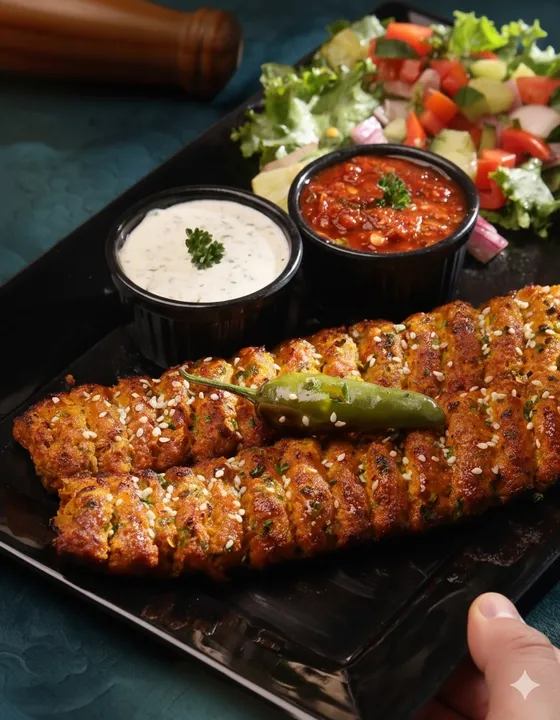
In Istanbul, people line up for warm Ramazan pidesi, a soft bread traditionally eaten at iftar. In South Asia, breads like sheermal and roghni naan carry echoes of the same culinary heritage. Likewise, the Ottoman dessert gullac resembles South Asian favourites such as phirni and kheer, showing how recipes evolved as they travelled across regions.
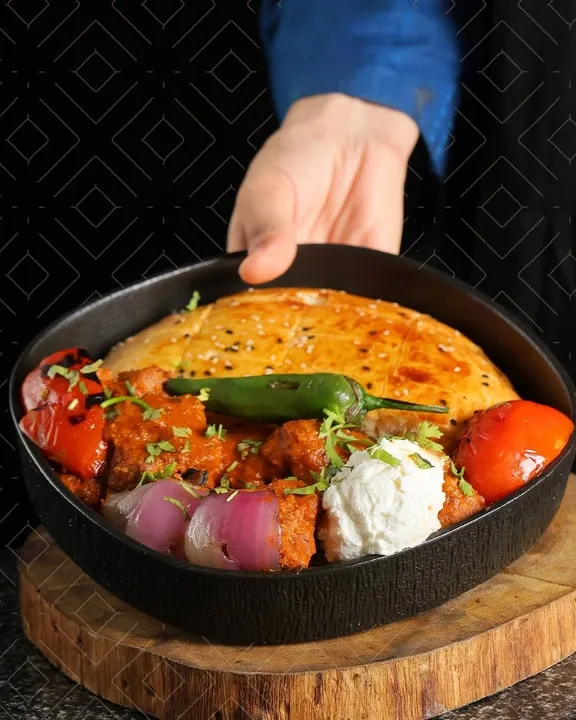
Food and travel storyteller Hamza Bhatti says these similarities reflect more than ingredients. According to him, when people eat dishes in cities like Istanbul or Lahore, they are participating in centuries of shared history.
Food historians such as Tarana Husain Khan explain that these dishes developed through centuries of cultural exchange during Persian, Central Asian, and Mughal influences. Meanwhile, chefs like Rida Aftab and Mehboob Khan emphasise that while recipes may adapt to modern kitchens, their cultural meaning remains essential.
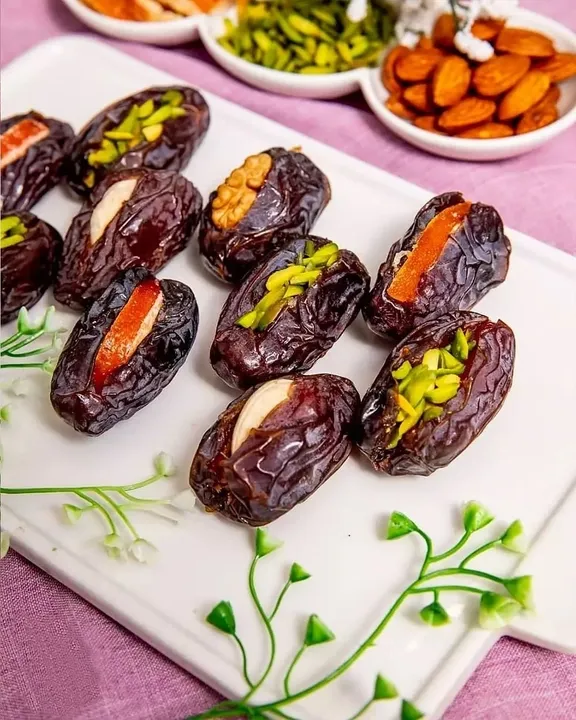
Ultimately, these dishes represent more than taste—they tell stories of migration, faith, and tradition. Across generations and continents, food continues to connect people, turning everyday meals into living pieces of history.
Source: TRT News


