


Africa, long described as the world’s youngest continent, is beginning to experience a profound demographic shift as its population gradually ages. While birth rates remain relatively high, the number of people aged 60 and above is steadily increasing, raising questions about how societies across the continent will care for their elderly populations.
Unlike wealthier regions, much of Africa is entering this phase without robust pension systems, comprehensive healthcare infrastructure, or state-funded long-term care programmes. In many countries, older citizens rely primarily on family support, as public welfare systems remain limited or inaccessible.
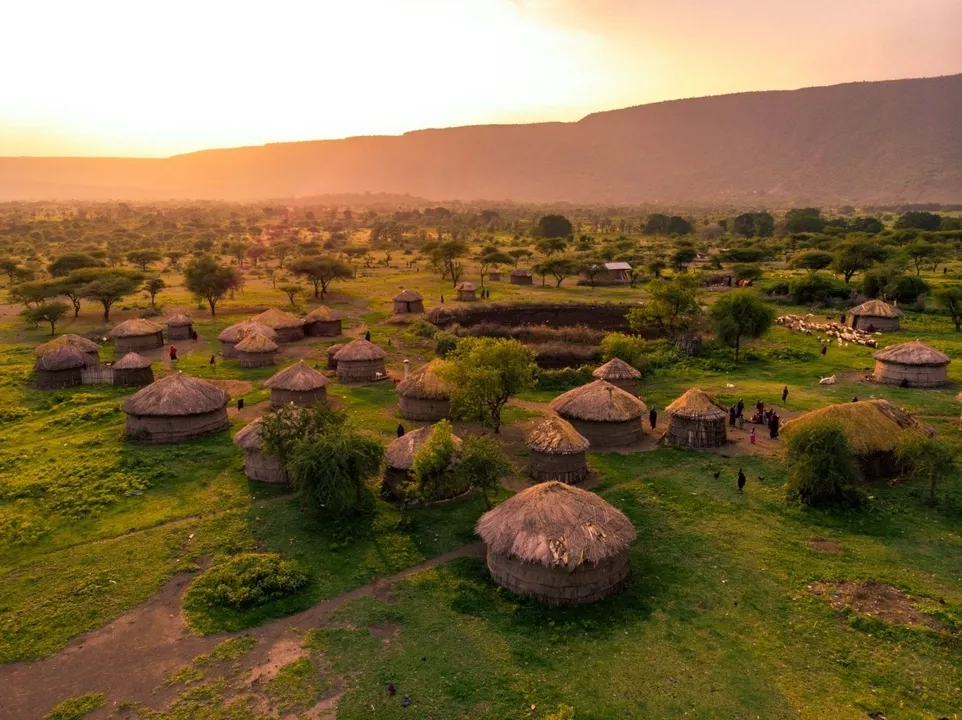
The challenge is particularly visible in rural areas, where ageing often means the loss of income rather than retirement. With few social protections in place, many elderly people continue working despite declining physical capacity simply to survive.
Traditionally, African societies have relied on strong intergenerational solidarity, where families care for older relatives in return for the knowledge, cultural memory and childcare support they provide. However, rapid urbanisation and migration are weakening these structures, leaving many elderly people increasingly isolated.
The issue carries deeper cultural implications. As Malian thinker Amadou Hampâté Bâ famously noted, the death of an elder in Africa is like “a library burning down,” reflecting the immense social and cultural value older generations bring to their communities.
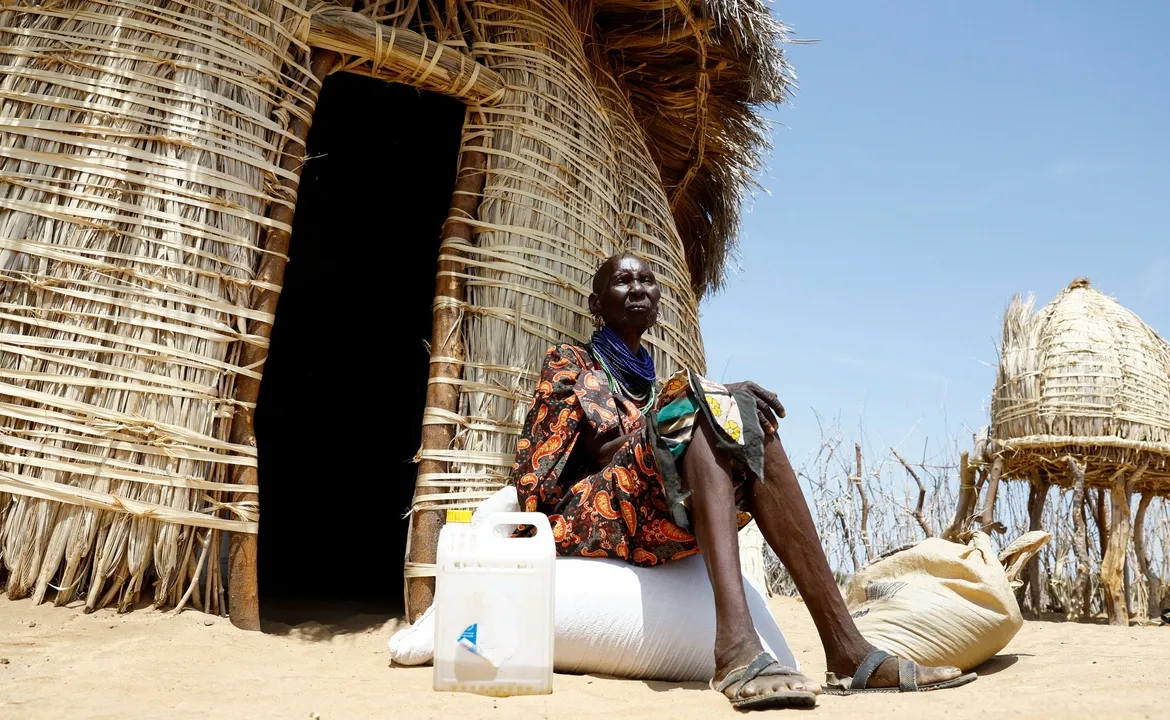
Experts warn that the erosion of traditional support systems has also led to the rise of “skipped-generation households,” where grandparents become the primary caregivers for grandchildren while the middle generation migrates to cities or abroad for work.
Facing this reality, analysts suggest Africa must develop innovative and locally adapted solutions rather than replicate Western welfare models. By strengthening community networks and drawing on philosophies such as Ubuntu, which emphasizes shared responsibility and social interconnectedness, the continent could build new systems of collective care for its ageing population.
Source: TRT Africa


