


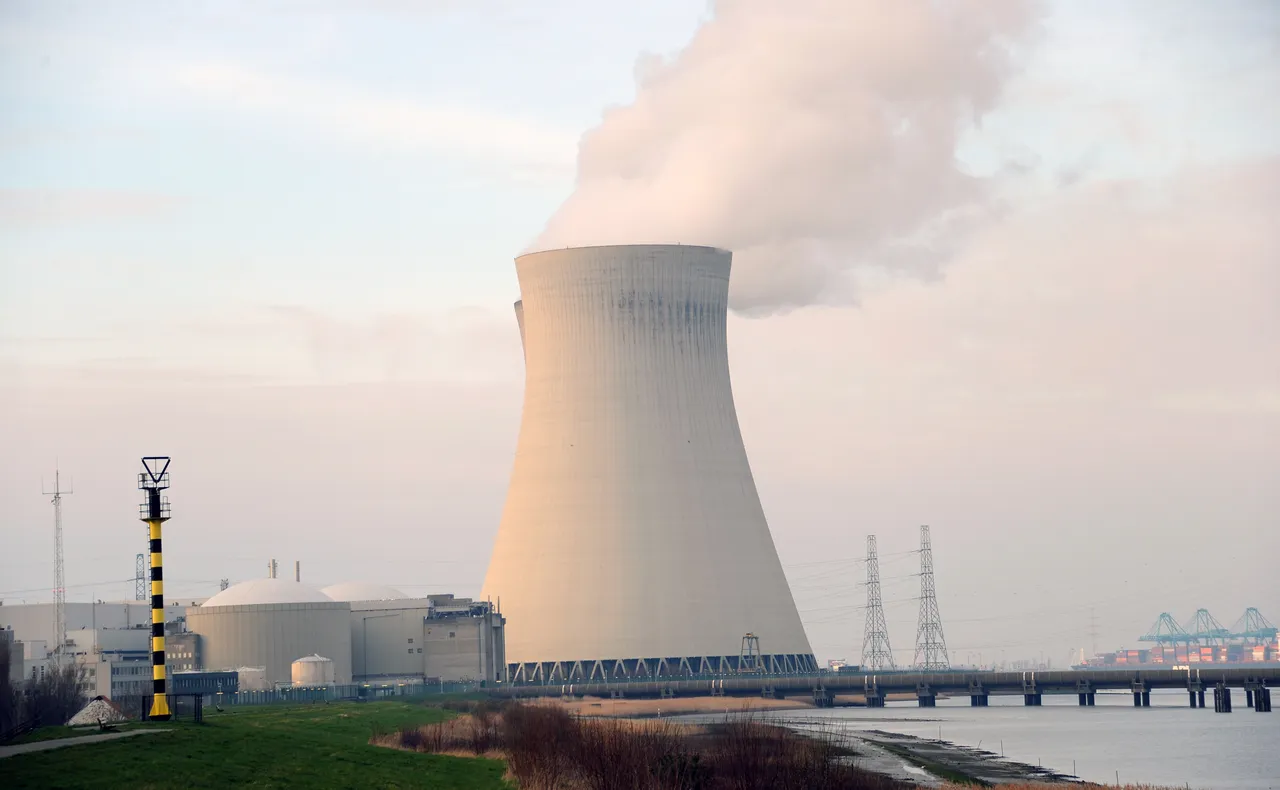
African nations are increasingly turning to nuclear energy as global fuel disruptions—linked to tensions involving Iran—drive up costs and expose vulnerabilities in energy supply systems.
Countries with existing nuclear capacity, such as South Africa, are boosting output to meet immediate demand, while others are accelerating long-term plans to develop atomic energy. Nations including Kenya, Rwanda, and Ghana have reaffirmed their commitment to nuclear development as a strategic response to energy insecurity.
Across the continent, more than 20 countries are exploring nuclear projects, with a particular focus on small modular reactors (SMRs). These compact systems are promoted as a more flexible and cost-effective alternative to traditional large-scale plants, capable of providing stable, low-emission electricity to growing populations.
African leaders and energy officials describe nuclear power as a necessity rather than a distant goal. Rwanda’s President Paul Kagame has highlighted Africa’s potential as a major future market for SMRs, while Kenyan authorities are targeting 2034 for the launch of their first reactor.
The shift has also intensified global competition. Companies and governments from the United States, Russia, and China are actively positioning themselves as key partners in Africa’s nuclear expansion. Russia’s state corporation Rosatom is already building Egypt’s first nuclear plant and has signed cooperation agreements with multiple African nations.
Despite its advantages—such as reduced carbon emissions and reliable base-load power—nuclear energy remains controversial due to concerns over radioactive waste and long project timelines.
As energy demand rises and fossil fuel volatility continues, Africa’s growing interest in nuclear power reflects a broader effort to secure sustainable and resilient energy systems for the future.
Source: TRT Africa


