


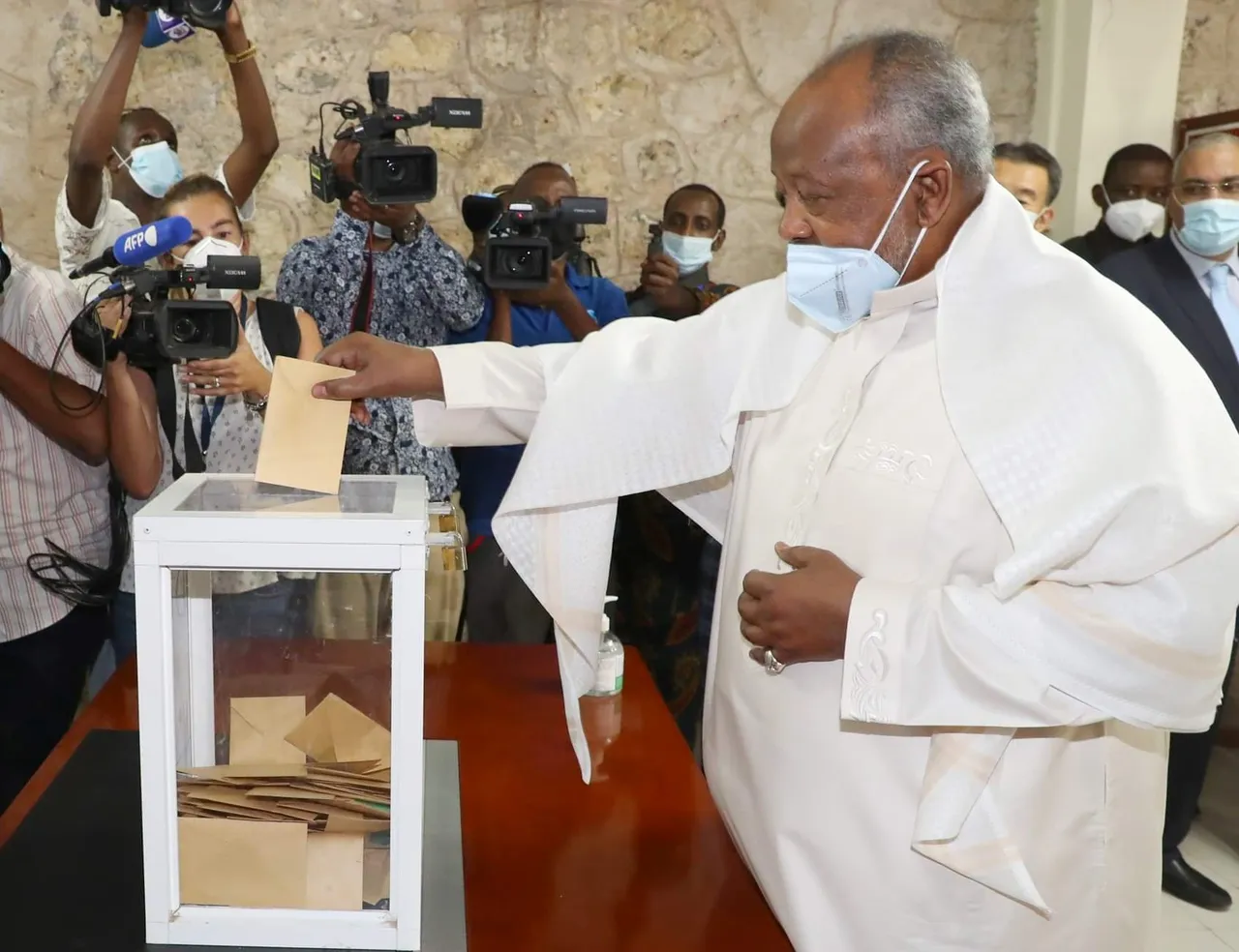
Ballot papers and voting materials have been deployed across Djibouti ahead of the country’s presidential election, as preparations conclude for a vote largely expected to extend the rule of Ismaïl Omar Guelleh.
At 78, Guelleh—who has been in power since 1999—faces a low-profile challenger whose party holds no parliamentary representation, reinforcing expectations of a predictable outcome. The president continues to portray himself as a guarantor of stability in a region marked by ongoing conflicts.
Djibouti’s strategic location along the Bab el-Mandeb Strait has played a central role in shaping its geopolitical importance. Under Guelleh’s leadership, the country has become a key international military and maritime hub, hosting bases from global powers including the United States, France, China, Japan, and Italy.
However, the political climate remains contentious. Human rights organizations and opposition voices accuse the government of suppressing dissent and limiting press freedom. Critics have labeled the upcoming vote a “foregone conclusion,” raising concerns over transparency and democratic standards.
As Djibouti heads to the polls, the election is set against a backdrop of stability claims on one side and mounting scrutiny over governance and political freedoms on the other.
Source: AfricaNews


